
Use verifiable details
Enter the same legal name and dates as your passport and official documents.
The experience
You live where you work: same Wi‑Fi dead zones as the kids, same dining hall queue, same thunderstorm drills. Days are long; the trade is room, board, and a stipend or pocket money spelled out in your offer — not a holiday pass.
Camps hire counsellors, lifeguards, activity heads, kitchen and office support, and more. International staff are normal on roster — what matters is showing up trained, coachable, and serious about safeguarding.
If you grew up without this tradition: a U.S. summer camp is an organised residential programme for young people, usually in the summer holidays. Campers stay in cabins or dorms, eat together in a dining hall, and move through activities in groups — sports, arts, waterfront, trips, and evening programmes like talent shows or campfires. Licensed camps follow child-safety rules and staff ratios.
Your role is to be part of the hired staff team: you might lead a cabin, coach an activity, lifeguard, help in the kitchen or office, or support operations. You are not a paying guest — you have duties, training, and supervision — but you also join trips, traditions, and friendships that make the summer memorable.
Residential
Overnight stays on a campus-style site — not a day-only school club.
Activity-led
Days are built around blocks of play, skills, and outdoor time — weather dependent and camp-specific.
Staff + campers
You work alongside American and other international staff; campers are mostly from the U.S.
Same overview on the homepage: What U.S. summer camp is.
Gallery
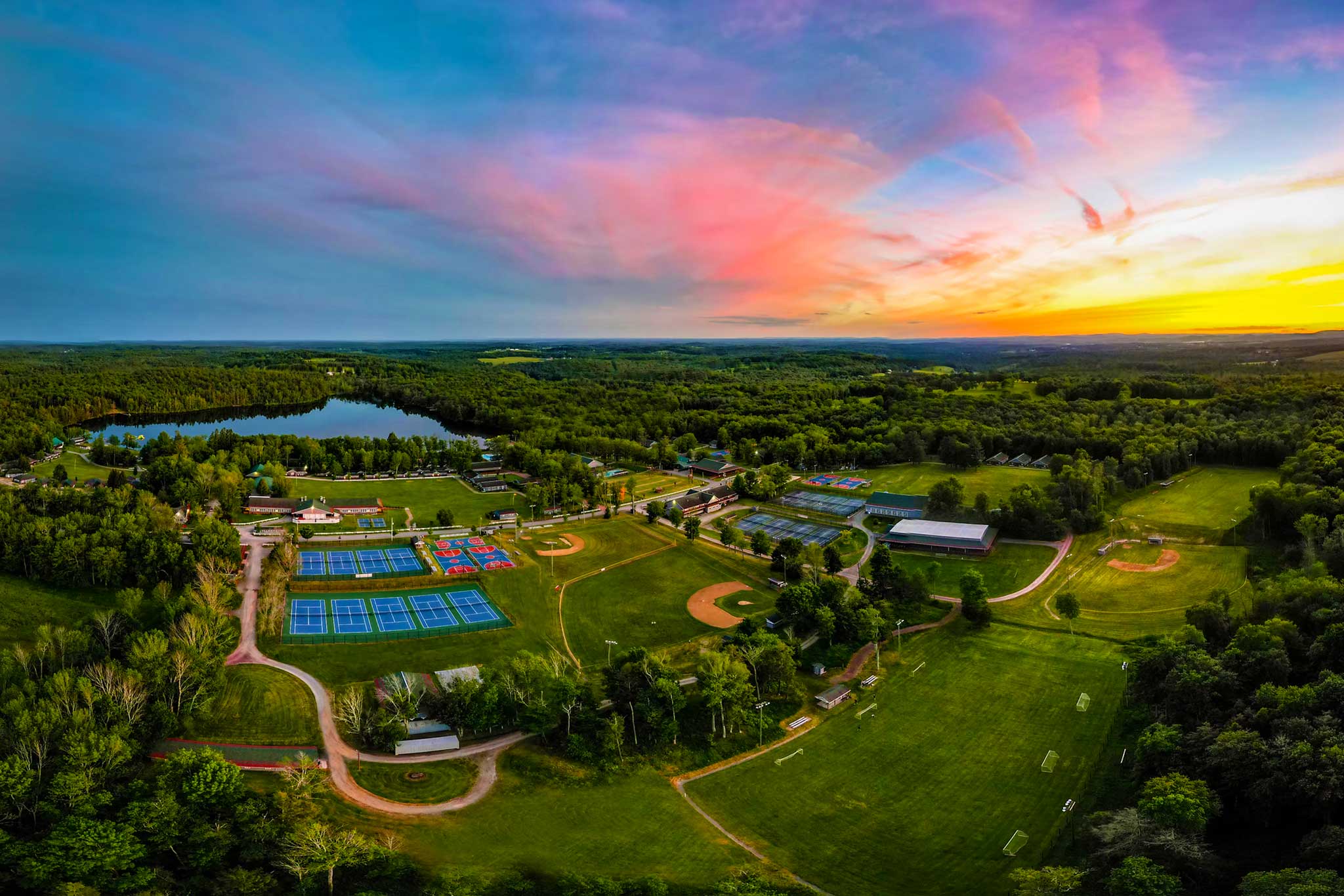
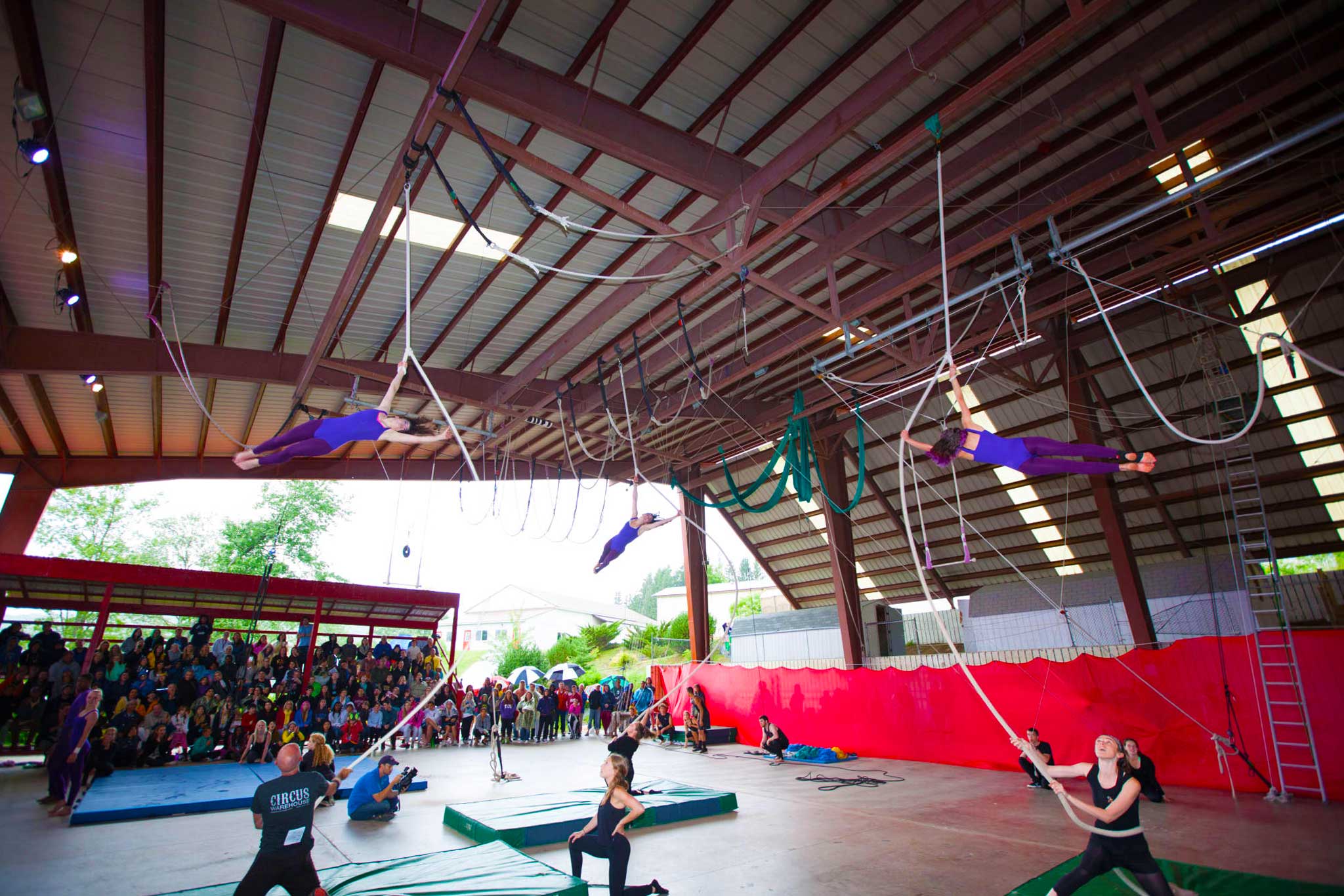
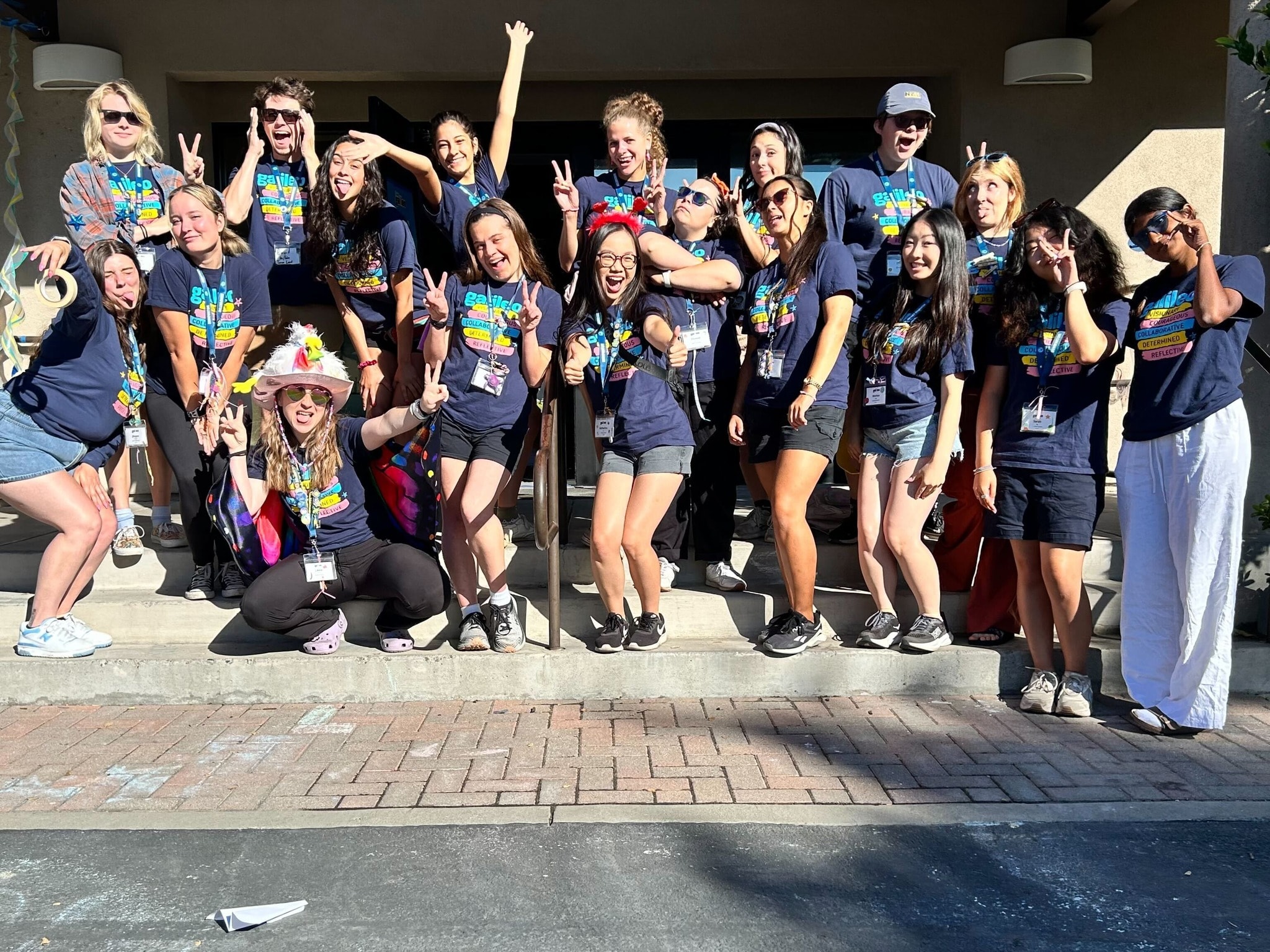
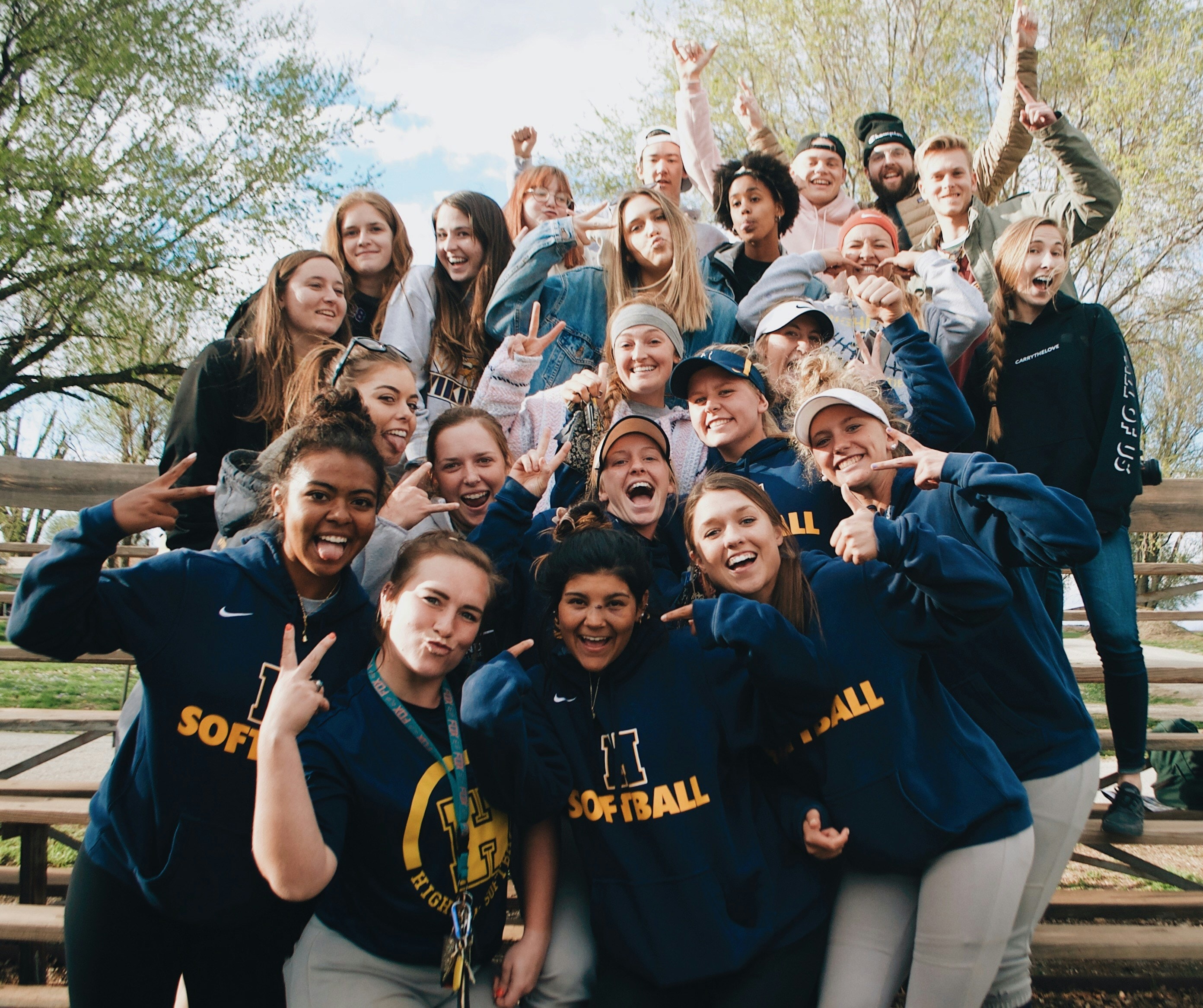
Same set as the homepage — waterfront, field games, staff moments. Hover a tile to read the short caption.
Camp cabins and trees along a lake
Campers and staff on the grass at a summer session
Forest trail at camp — quiet moment between activity blocks
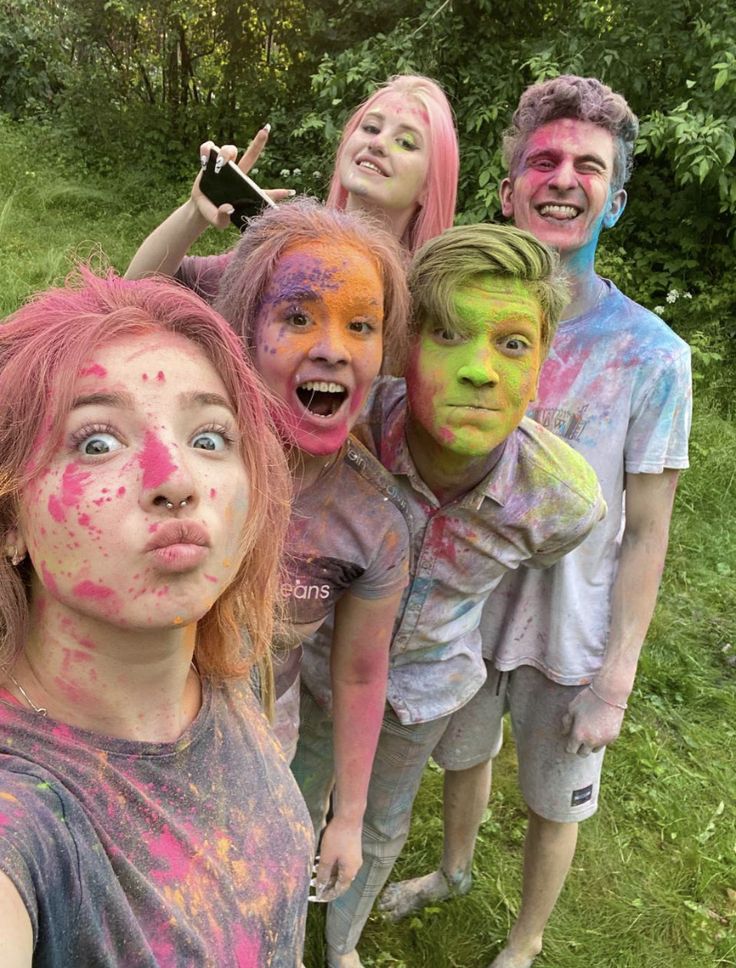
Staff and campers outdoors between activities
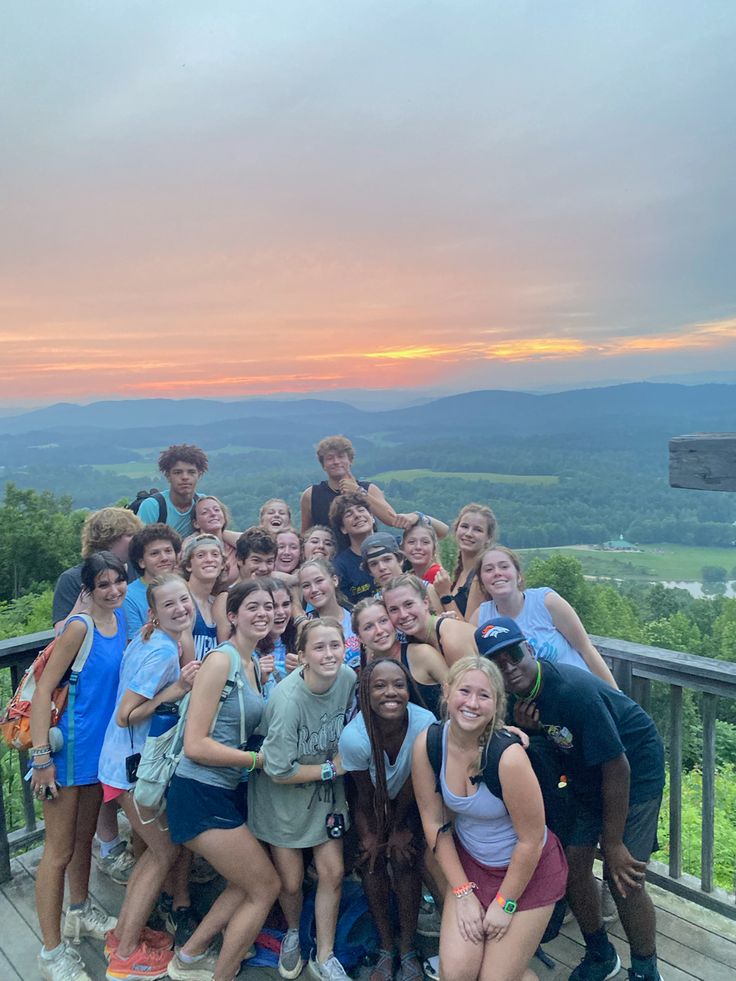
Group gathered on the grass at camp
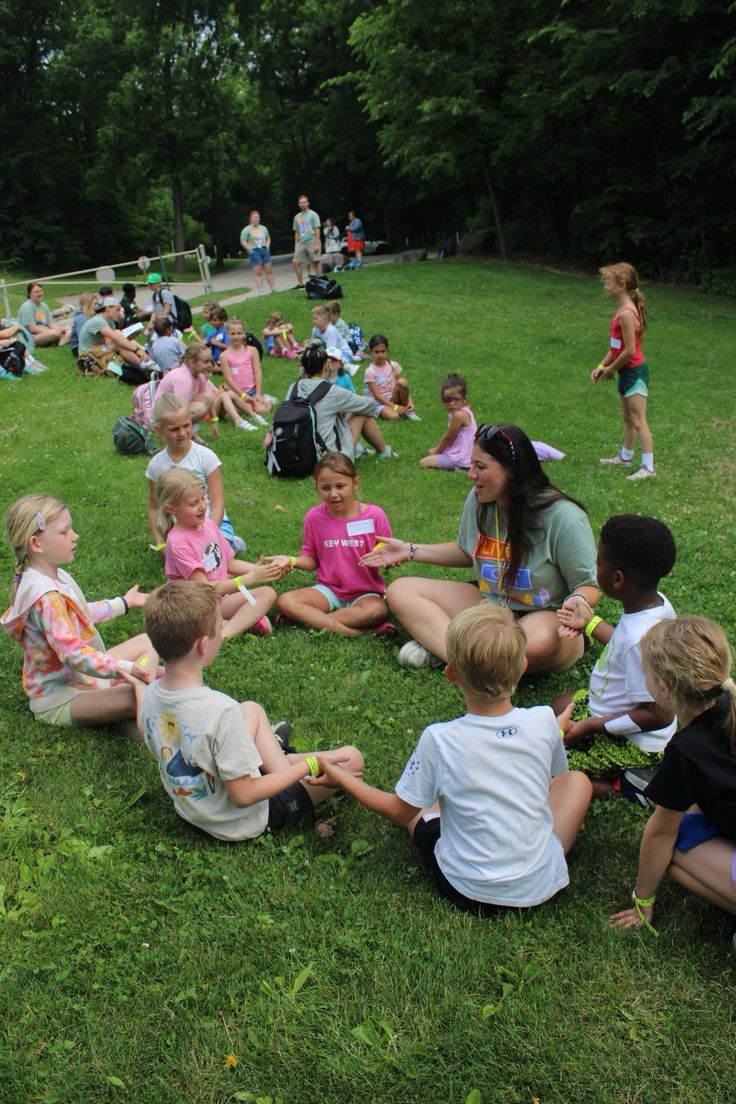
Evening light on the playing field
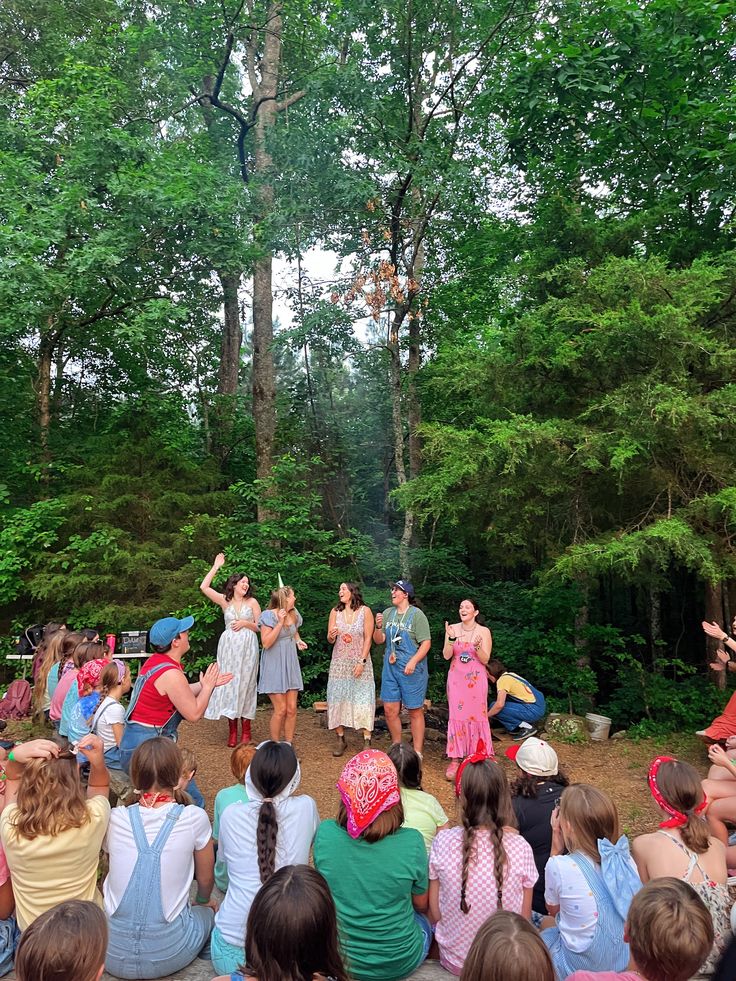
Summer camp day with friends on the field
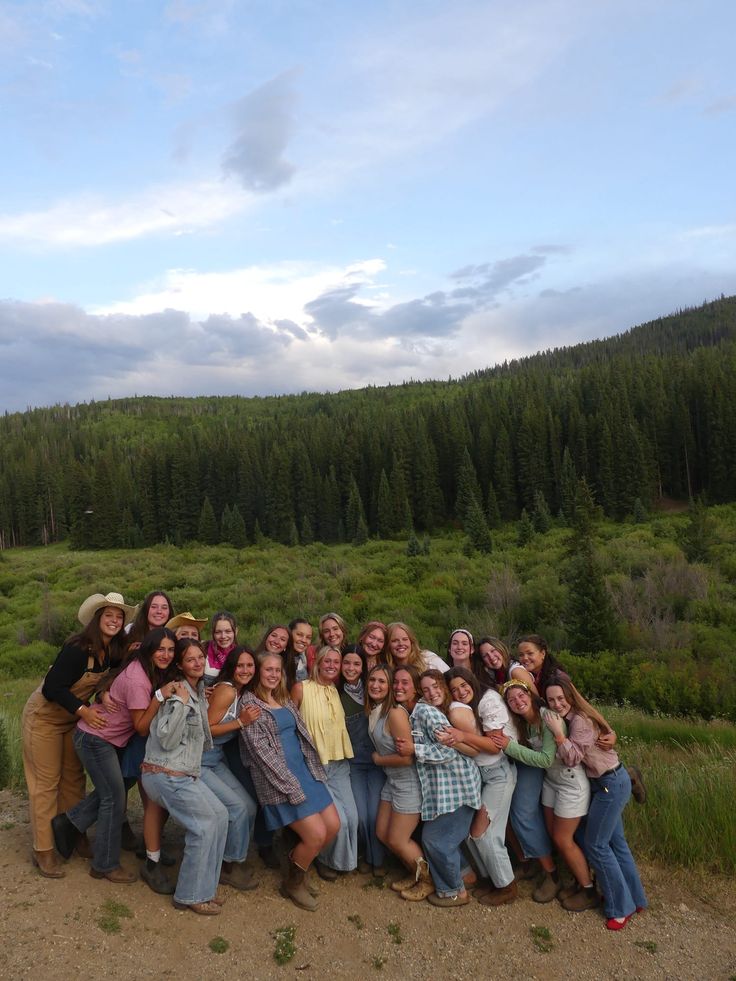
Summer staff team at Crooked Creek
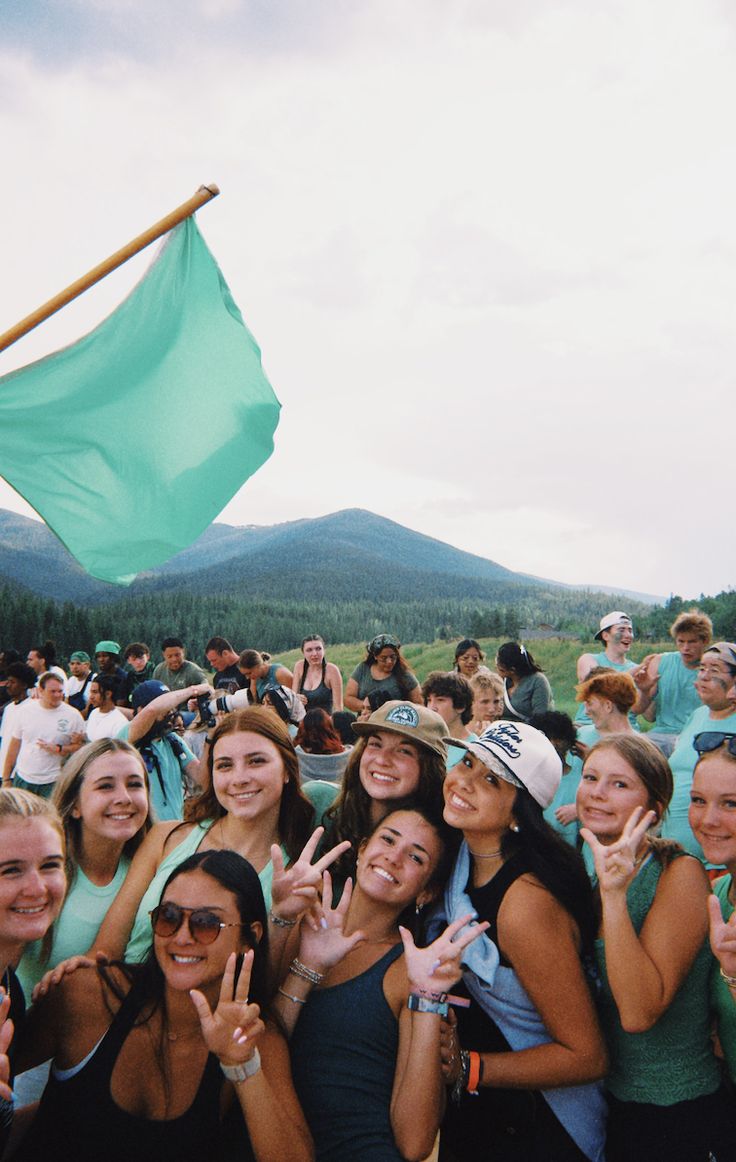
Young Life Crooked Creek — outdoor moment
We work with private, non-profit, and specialty camps. Your interview helps us steer you toward environments that fit your energy and values.
Cabins, color wars, lake days — the classic American camp rhythm.
STEM, performing arts, horseback, adventure — deep focus with camp spirit.
Local campers, evening staff debriefs — still intense, slightly different pace.
Camps hire for character first. Certifications help for waterfront and adventure roles, but many skills are taught on arrival.
Exact schedules vary, but rhythm is universal: meals, activities, rest, evening program, staff debrief.
Morning
Wake campers, breakfast, first activity block
Midday
Lunch, rest hour, clinics or free swim
Afternoon
Second block, all-camp games, specialist periods
Evening
Dinner, evening program, cabin chat, lights out
Camps do not expect perfection; they expect clarity. Strong applications are specific, honest, and easy to verify.
Enter the same legal name and dates as your passport and official documents.
Pick people who know your work and can reply quickly when contacted.
List skills you can lead safely and confidently in front of children.
Be clear about dates, flexibility, and limits so camp matching stays accurate.
Accurate health details help camps support you safely from day one.
Early complete applications usually see faster matching opportunities.
Many exchange programs include a short grace period for tourism after your contract. Rules depend on your visa category and sponsor — Exchange Path provides written guidance; you are responsible for compliance.