
Our Camps · Exchange Path
Camp Types
The American Camp Association reports around 7,000 overnight camps and 5,000 day camps across the USA — catering for over 11 million children every summer. Below, we break down the main types Exchange Path recruits for.
Our promise
Different camps. Different vibes. The same once-in-a-lifetime summer.
Click a camp type below to see what it’s like to live and work there.
 Traditional
Traditional Camps
These are the camps most people picture when they think of US summer camp — and the type Exchange Path places the largest share of staff at.
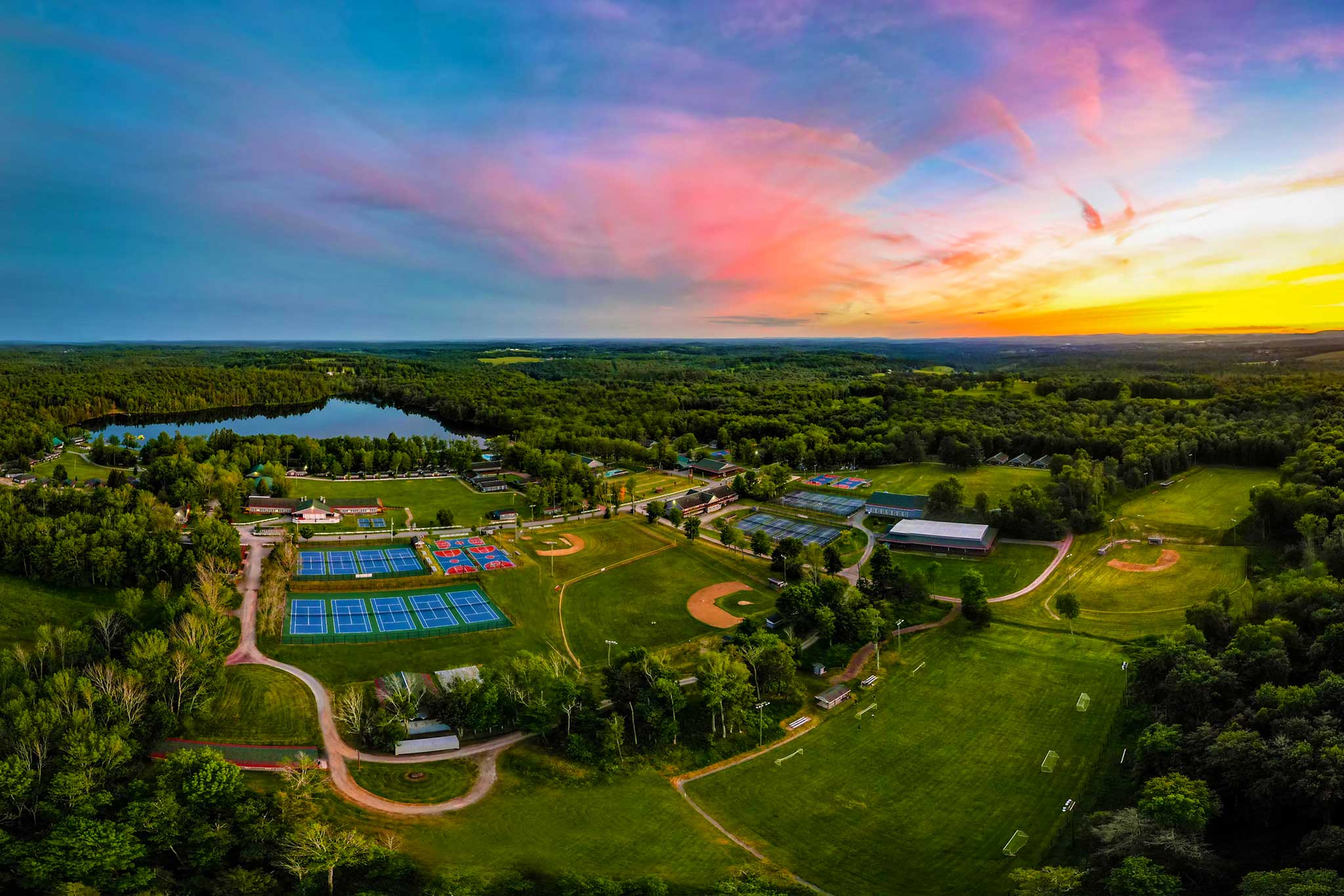
A typical traditional camp sits on a lake, accommodates its staff and campers in log cabins, and has a central lodge housing the dining hall. They vary in size but tend to have excellent facilities supporting a wide range of activities — waterfront, outdoor adventure, arts & crafts, outdoor cooking and more.
Days follow a familiar rhythm: breakfast, morning sessions, lunch, afternoon sessions, then an evening activity where singing around the campfire is still a popular way to bring the day to an end.
About these camps
- Privately owned — usually founded by a family or a large organisation like the YMCA.
- Places are funded by the campers’ families (typically a 1, 2 or 4-week period).
- Some specialise in a particular area, such as performing arts or gymnastics.
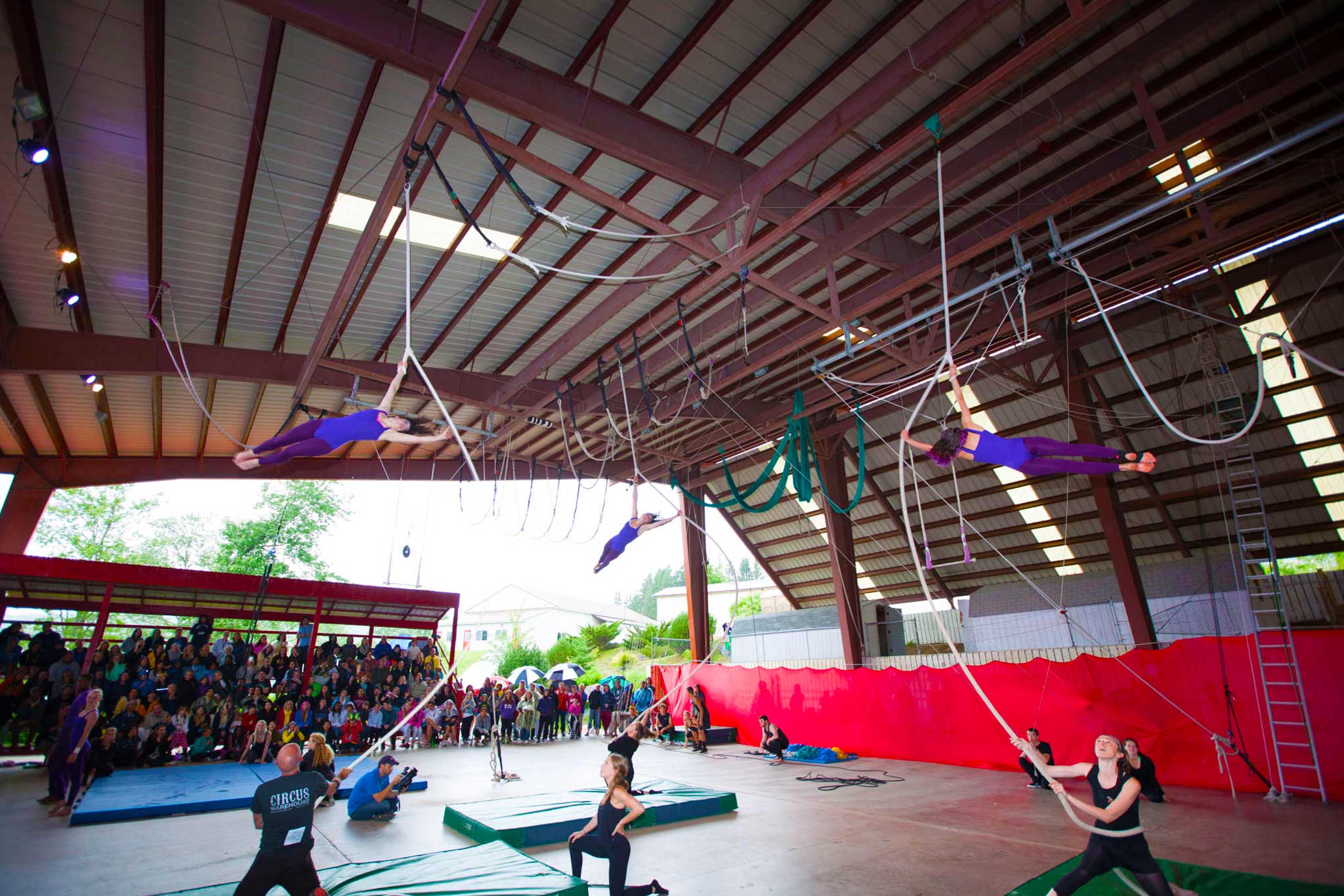
- Extensive activity range — watersports, arts & crafts, high ropes, horse riding — with high-standard facilities.
- Classic camp traditions: campfires, off-camp trips, “super Saturday”.
The campers
- Aged 7–17.
- Co-ed (boys and girls).
- Mainly from the USA, Mexico and Canada — with international campers too.
- Choose activities as part of their cabin (typically 6 campers and 2 counsellors).
- Mostly overnight; a few day camps. Sessions run anywhere from 1–8 weeks.
Accommodation & facilities
- Cabin accommodation, mostly bunk beds.
- Counsellors share cabins with campers in cabin groups (≈ 6 campers).
- Activity / specialist staff usually share with other staff rather than campers.
 Single-gender
Single-gender Camps
These are essentially traditional camps with single-gendered staff and campers — same setting, same daily rhythm.
A typical single-gender camp sits on a lake, with log-cabin accommodation and a central dining lodge, and offers an extensive range of activities supported by very strong facilities.
About these camps
- Privately owned — often founded by a family or a large organisation like the YMCA.
- Places are funded by the campers’ families (1, 2 or 4-week sessions).
- Extensive activity range with high-standard facilities.
- Classic camp traditions: campfires, off-camp trips, “super Saturday”.
The campers
- Aged 7–17.
- Single-gendered.
- Mainly from the USA, Mexico and Canada.
- Cabin groups of ~6 campers and 2 counsellors.
- Mostly overnight; sessions of 1–8 weeks.
Accommodation & facilities
- Bunk-bed cabin accommodation.
- Counsellors share cabins with their cabin group.
- Activity / specialist staff typically share with other staff.
 Girl Scout
Girl Scout Camps
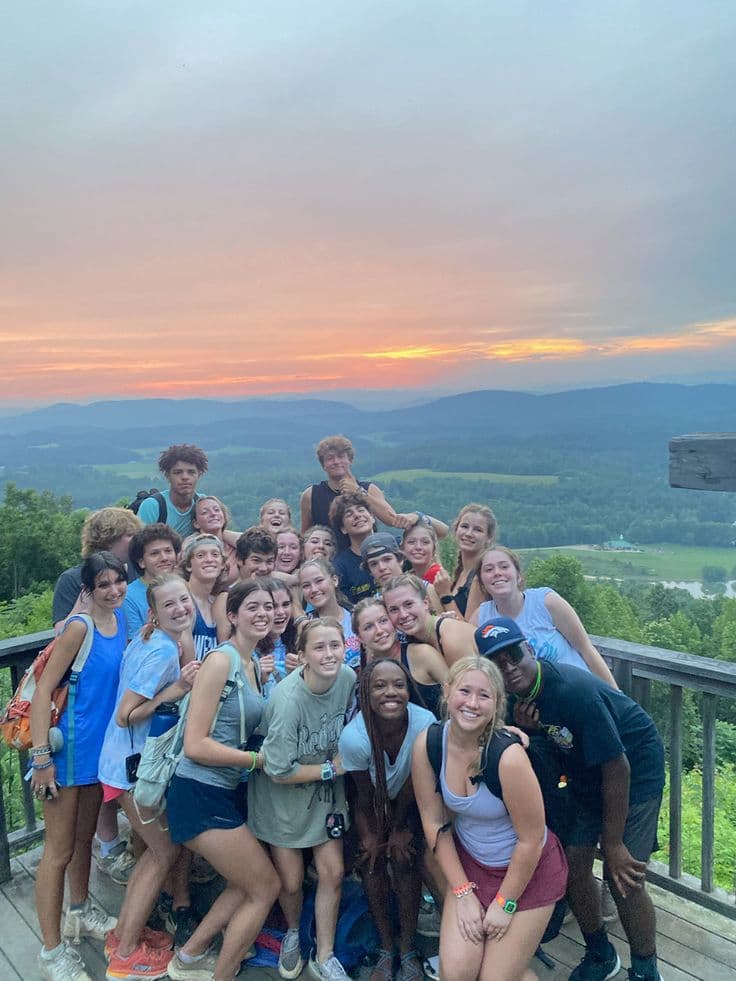
The Girl Scouts of the United States — or simply Girl Scouts — is a youth organisation for girls formed in 1912 in direct response to the boy-scouting movement of 1911.
Many camps across the USA identify as Girl Scout camps and follow the principles of the organisation, focusing largely on outdoor living, hiking, waterfront, outdoor cooking, camping and nature.
About these camps
- Camps specifically for girls — both campers and staff are female.
- Aim to help campers discover the power of girls being together.
- Some are independently run; others are set up by local Girl Scout divisions.
- Like traditional camps, an extensive activity range — focused on leadership, skills and a deep appreciation for the outdoors.
The campers
- Girls aged 5–17.
- Sessions usually run Monday to Friday — likely a new group each week.
- Normally local to the area.
- Mainly outdoor-based activities aimed at building leadership and team skills.
- Fun tradition: campers usually only know counsellors by their nickname!
Accommodation & facilities
- Often rustic — cabins or platform tents — to feel at one with nature.
- Counsellors normally stay in separate accommodation to campers.
Perfect for those with prior experience in the Brownies or Girl Guides.
 Special Needs
Special Needs Camps
Special-needs camps exist to make sure that children and adults with varying mental and physical disabilities get the chance to experience an incredible summer at camp, just like anybody else.
About these camps
- Cater for children and adults who need support with a learning, emotional, physical or mental disability.
- Some specialise in severe physical disabilities; others in behavioural conditions like ADHD or autism.
- Often act as respite for families who care for the campers day-to-day.
The campers
- Male and female, of all ages — some campers are in their 80s.
- Higher camper-to-counsellor ratios — personal care and attention required.
- Sessions usually run 1–2 weeks; many campers return year after year.
- Mostly local to the area.
Accommodation & facilities
- Cabin accommodation; counsellors typically live with their assigned campers.
- Activities use adaptable equipment, focused on a thoroughly rewarding, social, happy experience.
- In-depth staff training prepares you for the campers and the support required.
No previous experience is needed — just the desire to make a real difference. The role can be demanding, but you will be very well supported throughout.
 Faith-based
Faith-based Camps
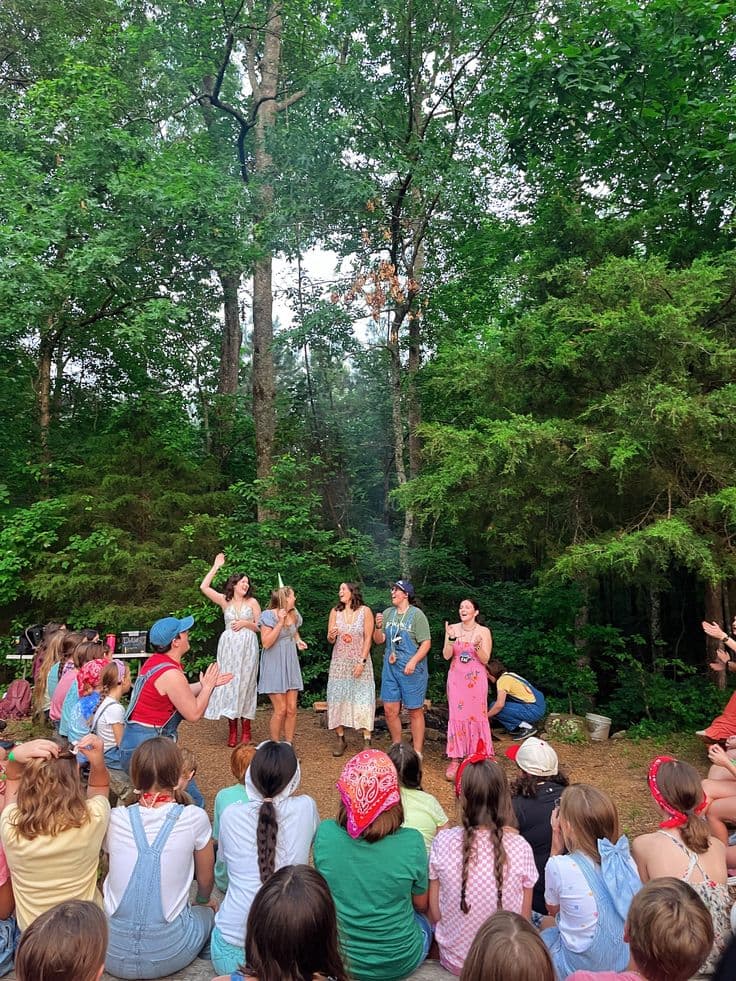
Many of the camps we work with in the USA identify as “faith-based” — typically catering for campers from a Christian or Jewish background.
Some focus on providing the typical summer-camp experience while emphasising faith-based principles (trust, honesty, friendship). Others put much more emphasis on structured faith-based learning in the daily schedule.
Christian
About these camps
- Very similar to traditional camps, but include a focus on a shared faith through activities, devotionals and chapel services.
- Staff don’t have to be religious to work at a faith camp — but a respect and understanding for other people’s beliefs is essential.
The campers
- Children aged 7–16, from a variety of backgrounds.
Accommodation & facilities
- Fun camp environment alongside educational, social and spiritual development.
- Plenty of traditional camp activities — sports, outdoor adventure, theatre, water activities and more.
- You’ll most likely live in a cabin with other staff and campers.
Jewish
About these camps
- Either founded by Jewish families or by an American Jewish organisation. Either way, Jewish tradition plays a significant part in how the camp runs.
- Camps will be traditional, reform or orthodox.
- Most camps we work with follow a more traditional Jewish programme — Kosher meals and a Shabbat programme on Friday nights and Saturdays.
The campers
- Male and female, ages 6–16.
- All from a Jewish background, with a varied level of commitment to the faith.
- Stays of 1–4 weeks.
Accommodation & facilities
- Beautiful environments — typically a camp cabin (“bunk”) with the campers and other staff.
- Alongside the Jewish aspects, you’ll find the same huge range of land/field sports, outdoor adventure, water activities, art, drama and music.
Found a camp type that fits?
Take the first step.
Submit a quick application — the Exchange Path team will match you to the right camp type for the right summer.